How Games for Change is Empowering the Next Generation of Creative Problem Solvers
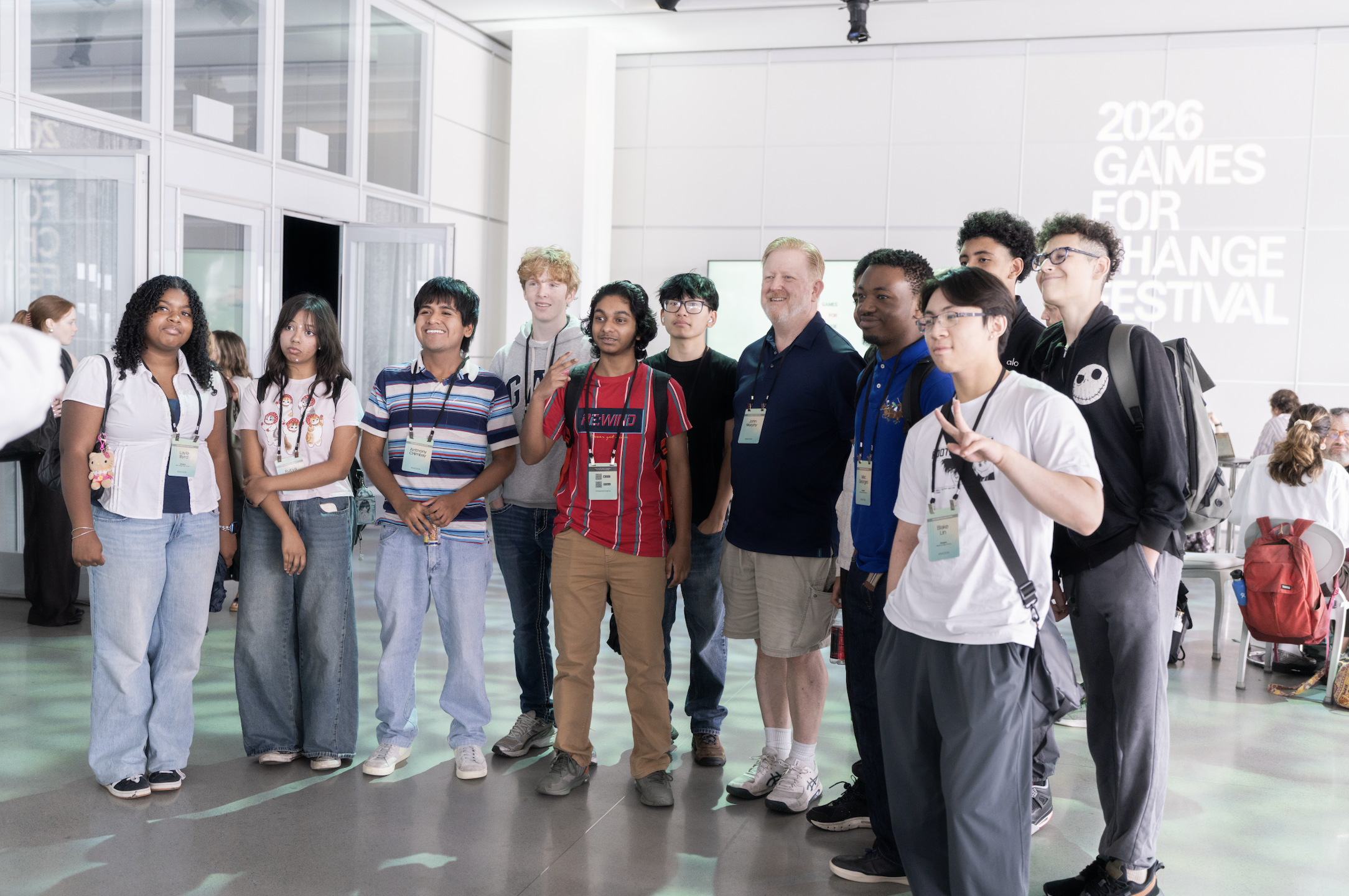
For more than two decades, Games for Change has championed the idea that games can do much more than entertain—they can educate, inspire, and create real-world impact. Through initiatives like the Student Challenge, Next-Gen Summits, and Game Plan, the organization equips young people with the skills to become creative thinkers, collaborators, and changemakers.
We sat down with Leah Hirsch, Senior Director of G4C Learn at Games for Change, to discuss the organization's mission, the growing role of game design in education, and how they’re helping expand opportunities for young creators around the world.
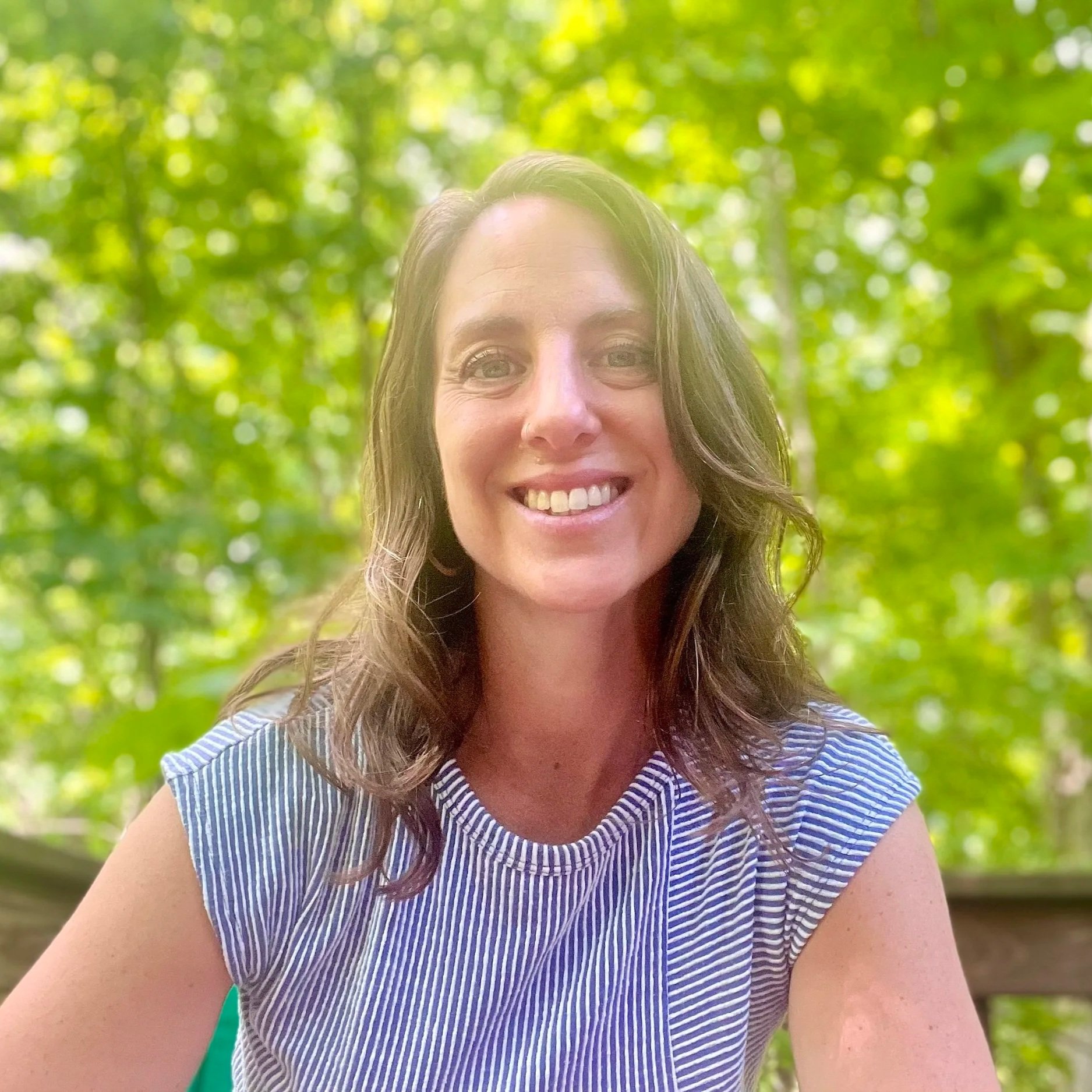
“We’re helping young people use game design as a tool for creativity, collaboration, and solving real-world problems.”
- Leah Hirsch
Senior Director, G4C Learn
For readers who are new to Games for Change, can you share your mission and explain why you view games as such a powerful medium for impact?
Leah: Games for Change has been around since 2004, and our mission is to empower and mobilize creators, educators, and global partners to drive real-world change through games. We envision a world where games are recognized not just as entertainment, but for their educational, social, and economic impact.
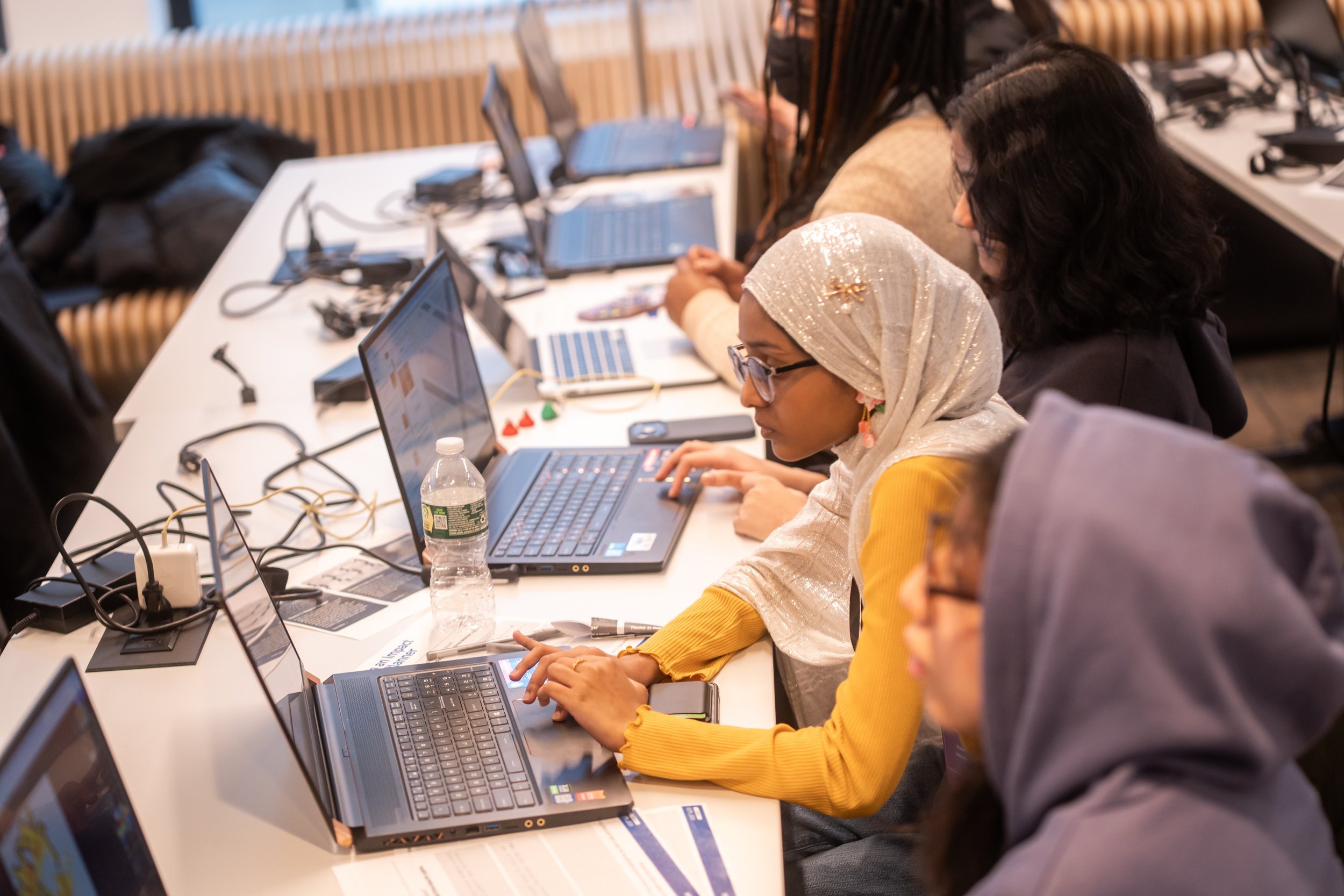
Our work centers around three major areas. We convene communities through festivals and events that bring together people who might not otherwise collaborate, from game developers and educators to NGOs, researchers, and the United Nations. We also help partners design and produce impact-driven games. Finally, through G4C Learn, we support teachers and young people under 25 with programs like the Student Challenge, our international game design competition inspired by the United Nations Sustainable Development Goals.
Ultimately, we're helping young people use game design as a tool for creativity, collaboration, and solving real-world problems.
Some parents and educators are still skeptical about games in the classroom. How do you help them understand the value of learning through game-making?
Leah: I always start by reminding people that play is a natural part of being human. In nature, we see mammals and birds play to learn. And games are really just organized play.
When students design games, they're actually learning how to design systems. They're practicing critical thinking, communication, empathy, and iterative problem solving—all skills that transfer to virtually any career.
Games are simply the vehicle. Kids already love games, so we're taking something they're naturally passionate about and using it to teach design thinking and creative problem solving.
We're also seeing more parents embrace creative digital tools. There's a growing recognition that there's a big difference between passively consuming content on a screen and actively creating something meaningful.
Is there a student or teacher story that you can share that captures what Games for Change is all about?
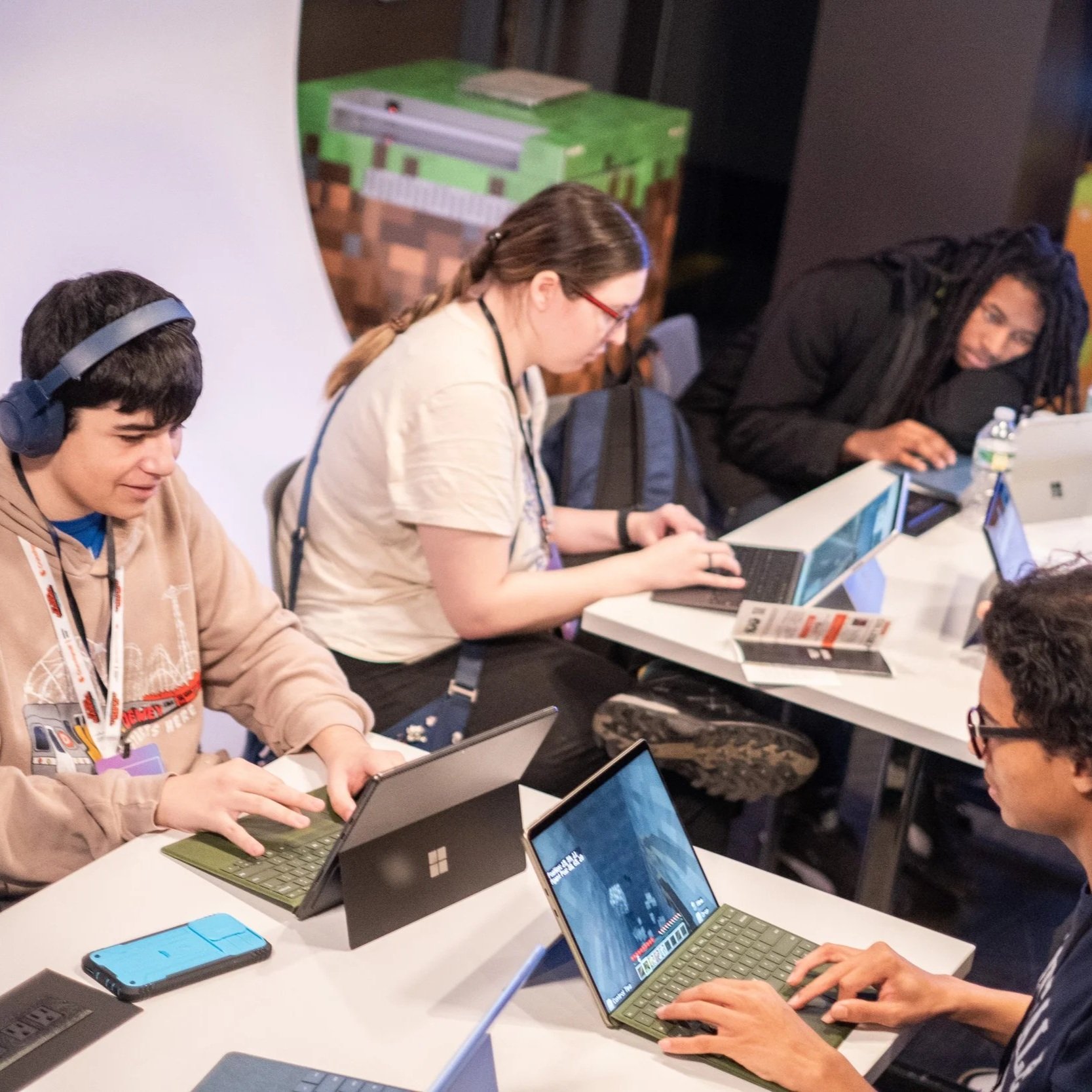
Leah: One of my favorite stories is about a chemistry teacher at a Title I school in Queens. During the pandemic, he saw how disconnected his students had become. Cameras were off, engagement was low, and students were struggling to feel connected. So he started a simple Minecraft club to build community.
That one decision led him to Games for Change. Since then, he's participated in multiple G4C Learn programs, completed professional development through our Game Plan program, brought students to our Next-Gen Summits, and encouraged students to participate in the Student Challenge from year to year.
One of the most rewarding moments has been watching his students meet professionals in the gaming industry who look like them and come from similar backgrounds. Those networking conversations helped students see futures that maybe they hadn’t imagined before. Many have gone on to pursue computer science and other technology-related college programs.
It all started because one teacher wanted his students to feel like they belonged.
Games for Change programming has expanded in recent years, adding a university division, international game jams, and larger events to the flagship Student Challenge program. What has that growth meant for you as an organization? What’s the biggest change you’ve witnessed?
Leah: The biggest change has been creating a longer journey for students – a low floor, high ceiling. Instead of participating once and aging out, we're seeing young people come back year after year. A student might submit a game one year, attend a game jam the next, and eventually organize a game jam on their own university campus.
That's incredibly exciting because it creates a deeper, more connected community. We aren't just running individual programs; we're helping build long-term pathways for young creators to continue learning and growing.
When you think about impact, what does success look like?
Leah: Quantitatively, success means reaching more students around the world and continuing to build an increasingly diverse and inclusive global community.
Qualitatively, I'd love to see game design become universally accepted as an essential part of education. Parents enroll their children in piano lessons or sports because they understand those experiences build life skills, even if their child never becomes a concert pianist or professional athlete. Game design is no different. Whether students are coding digital games or other game experiences, they're developing systems thinking, creativity, and resilience through iteration. Those skills are valuable no matter what career they ultimately pursue.
What role do educators, parents, and industry professionals play in preparing young people for careers in creative technology?
Leah: It’s incredibly important to show kids what’s possible in the world of work. When I was growing up, I only knew about careers that I could see around me. Through programs like our Next-Gen Summit, students meet artists, writers, designers, producers, and developers working throughout the game industry.
They begin to realize there are so many different ways to build a career in technology and games beyond just coding.
The other important role adults can play is giving young people the time and space to create. The design process itself teaches transferable skills that students will use throughout their lives.
AI is changing nearly every creative industry. How is Games for Change adapting to the new AI reality?
Leah: We see both opportunities and challenges. With every major technology shift, there's understandable concern, especially in education. I remember when we were concerned that kids were going to cheat with the use of the Google search engine! But, over time, we learned how to responsibly show kids how to use this tool and I think the same thing needs to happen with AI. We're big proponents of helping educators and parents understand what responsible AI use looks like.
With the Student Challenge, we already allow students to use AI as a tool. Personally, I think of AI as a resource to organize my (very human) ideas, and I think that's a really useful way for young game designers to approach it.
What excites you most about the future of Games for Change?
Leah: Next year, we're expanding the Student Challenge to include students as young as eight years old, so that means the competition will now serve learners ages 8 through 25. I'm excited about giving young people an even longer runway to develop their skills, return to the program year after year, and grow alongside our community as they become more experienced creators.
How can people support Games for Change?
Leah: The best way is to come experience one of our festivals. Our events take place across multiple continents, with our flagship festival happening each July in New York City. People can also support our work by donating, volunteering, mentoring students at our Next-Gen Summits, or serving as judges and game jam organizers for the Student Challenge. There are so many ways to get involved!
To learn more about G4C Learn and Games for Change, visit https://www.gamesforchange.org.