Black Girls Code: Building Confidence and the Future of Tech
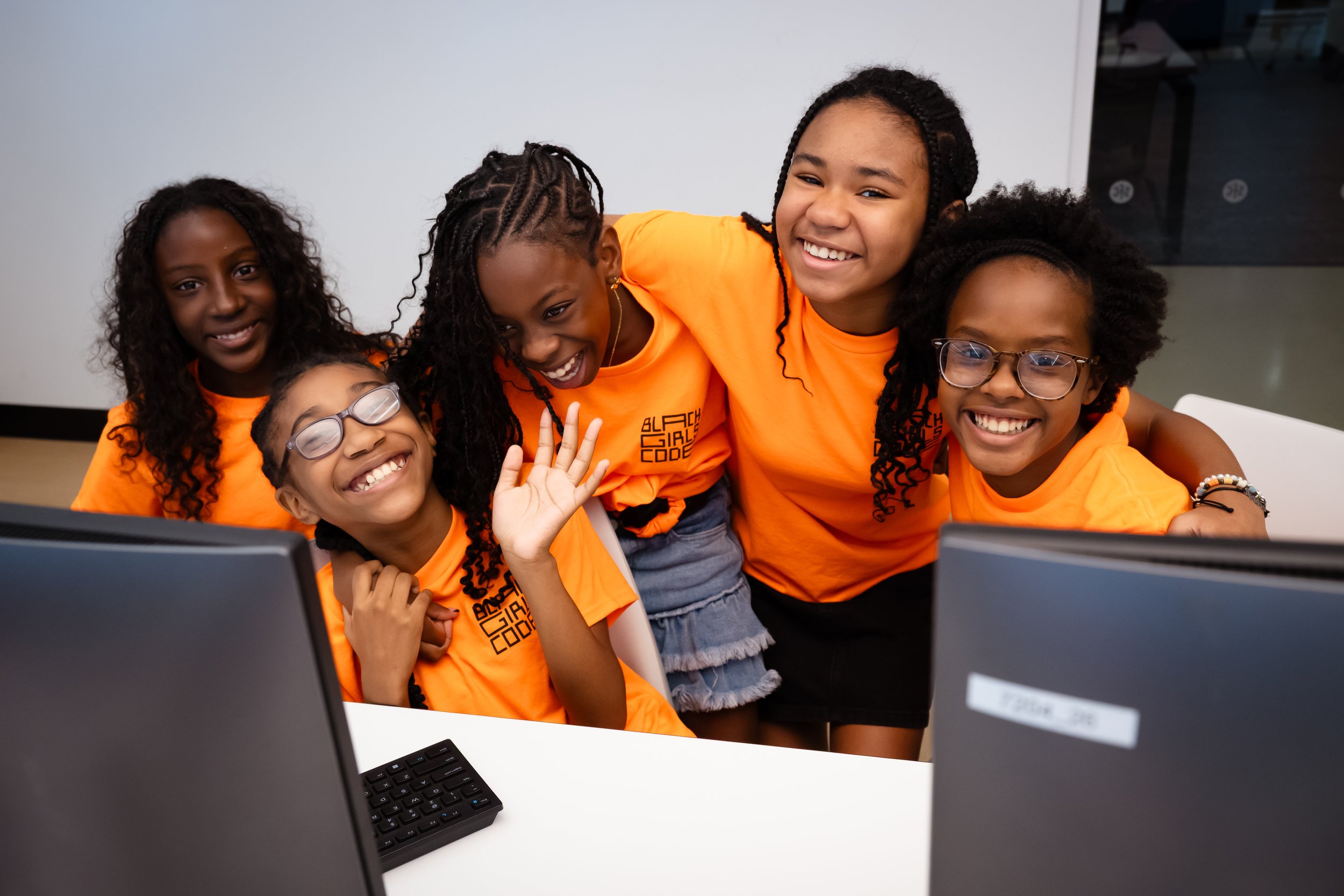
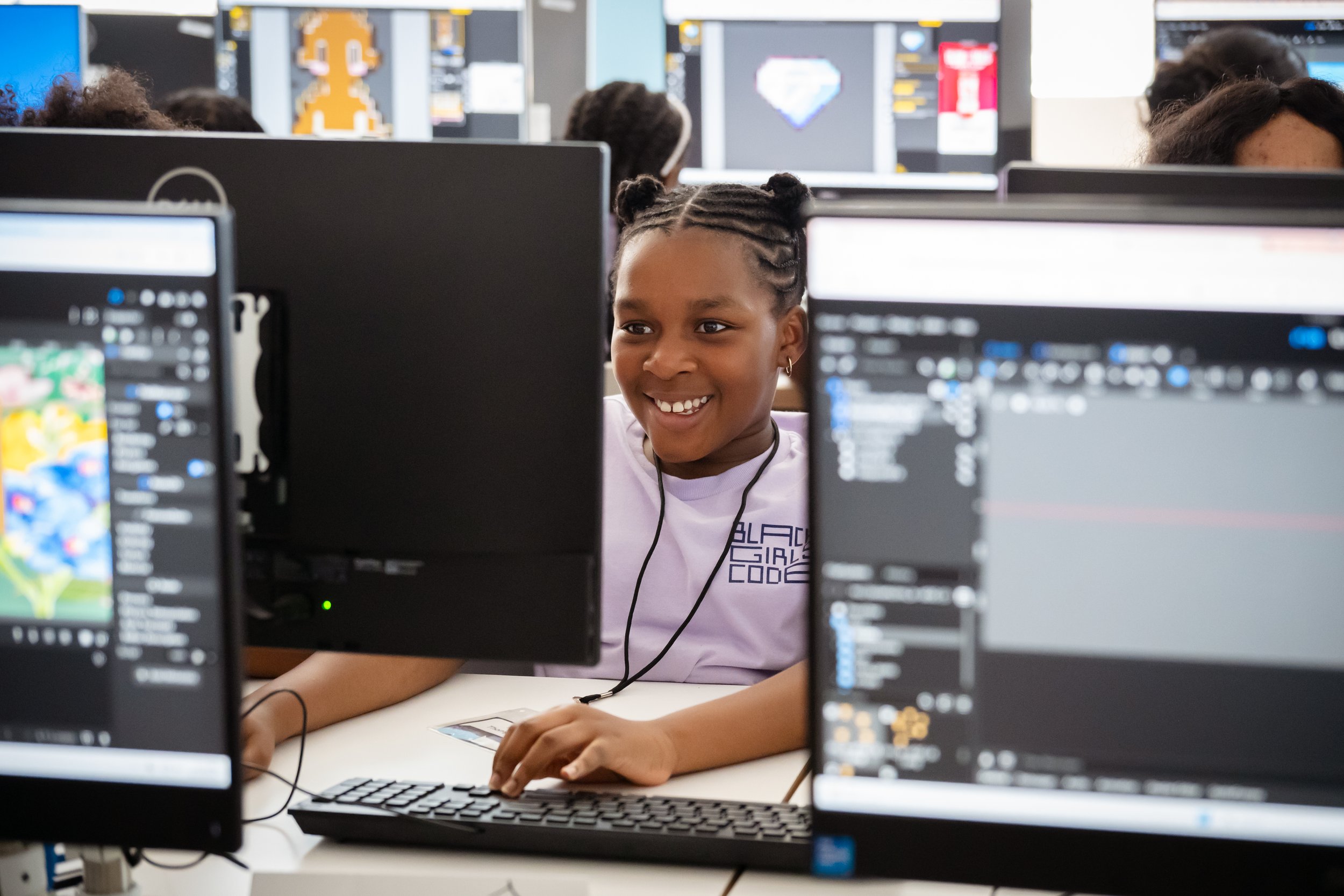
This summer, Endless Foundation partnered with Black Girls Code, to bring game-making curriculum to young girls through in-person summer camps and virtual classes. Across 10 cities and multiple virtual sessions, the partnership reached hundreds of girls ages 10-17, giving them the opportunity to explore technology through game design, coding, storytelling and creative problem-solving.
We spoke with Rob Robinson, Vice President of Student Success at Black Girls Code, about the experience. In the conversation, we discuss the importance of representation, mentorship, AI literacy, and what’s ahead for the next generation of tech creators.
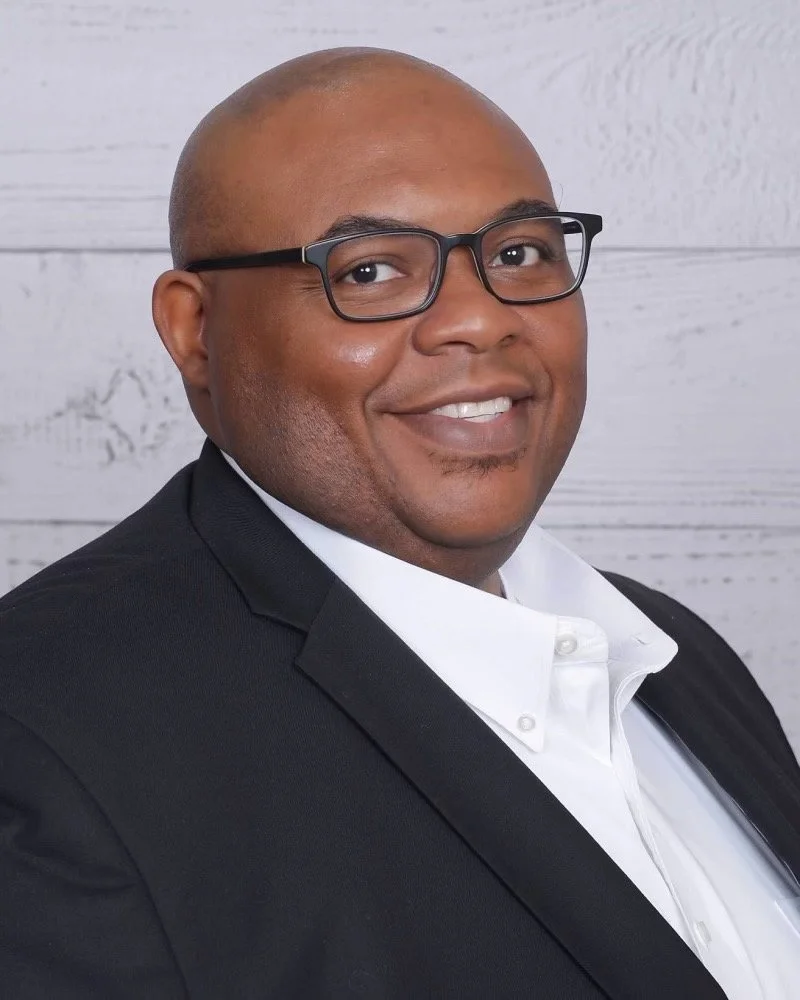
“The shift from I'm playing to
I am creating, I am building, I am designing—this is mine, is incredibly powerful.”
- Rob Robinson
VP of Student Success, Black Girls Code
For readers who may not be familiar with your work yet, tell us a bit about your role at Black Girls Code and what drew you to it.
Rob: I'm the VP of Student Success at Black Girls Code, which means I'm responsible for what happens when our young people walk through our virtual or in-person doors. I oversee our programs, partnerships, instructors, and the data that helps us understand our impact.
What drew me here is the mission. Black Girls Code is unapologetically focused on Black girls in a sector where "inclusive" can sometimes leave out the people who most need access. Less than 2% of tech jobs are held by Black women. That's not a footnote; it's a call to action.
It's personal for me, too. I'm the first in my family to attend college, studied computer science at NYU, and I'm now a proud girl-dad of three daughters. My oldest even started attending BGC programs last year! So this work feels very close to home for me.
This year, BGC and Endless Foundation partnered to bring game-making to hundreds of young girls through in-person summer camps and virtual courses. Can you share a bit about how it went and specifically how a young girl's relationship to technology can shift when she goes from playing a game to building one?
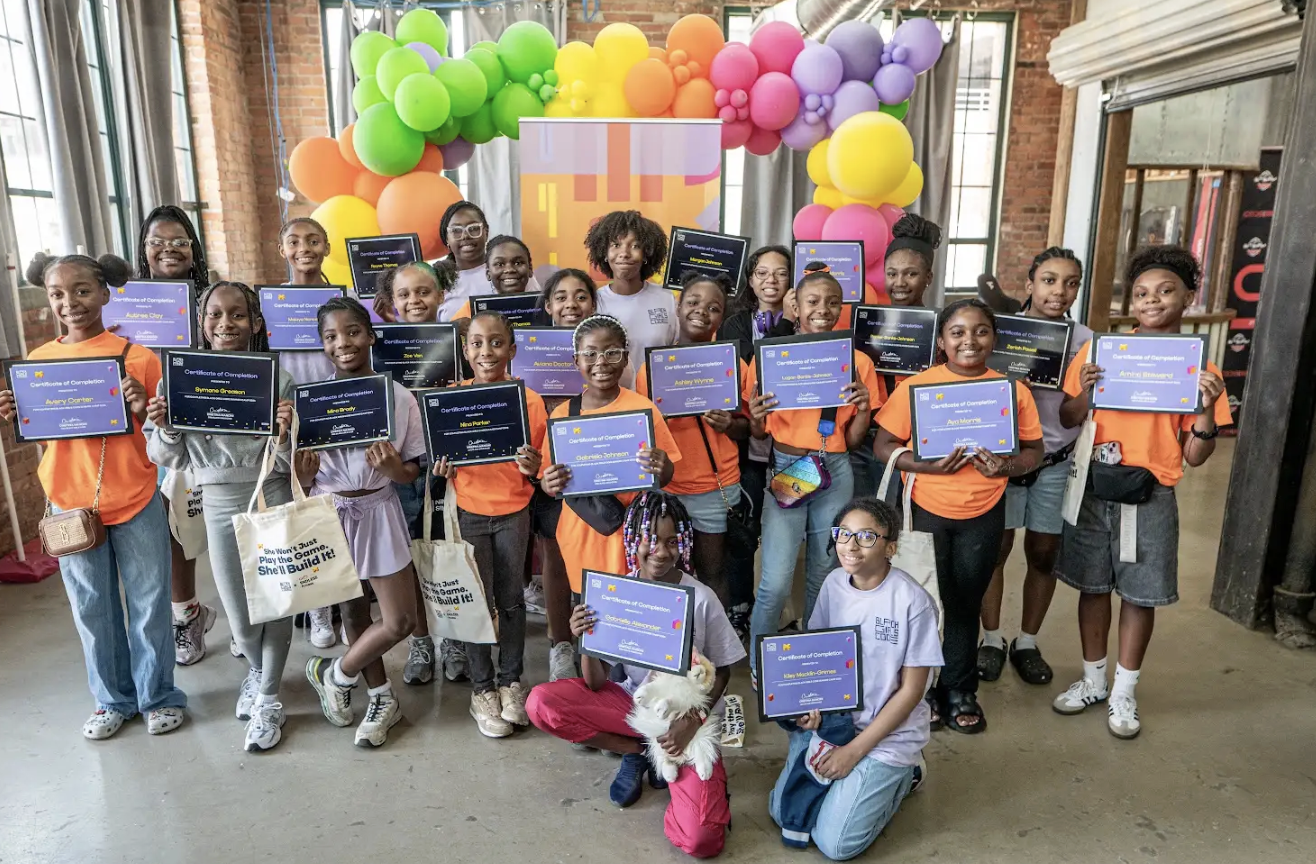
Rob: This partnership has been one of the most exciting things I've been part of since joining BGC. This summer, we brought the Endless Access Threadbare curriculum to 10 cities, along with multiple virtual sessions, reaching roughly 600 girls ages 10–17.
Game-making is such a powerful entry point because it takes something young people already understand and turns the perspective around. Instead of simply consuming something someone else created, they become the creator.
You can see that transformation happen over the course of a week. Students go from saying, "I don't know how to do this," to creating sound effects, storyboards, gameplay, and sprites. The shift from I'm playing to I am creating, I am building, I am designing—this is mine is incredibly powerful. They're building technical skills, but they're also building confidence in themselves.
Is there a particular student, moment or project that stuck with you from this past summer that captures what your work is all about? (please upload any photos or videos we can share on socials here)
Rob: One student who really sticks with me is Hannah, who attended our camp in Atlanta. She and her mom drove an hour each way every day to get her to camp, and she showed up every morning ready to learn. What really stood out was that she came back for a second week of camp running the same program because she wanted to go deeper.
For me, Hannah represents why we do this. If we can have as many Hannahs as possible participating in our programs, that's a win.
I also think about our end-of-week showcases. Students who arrive on Monday quiet and unsure are standing in front of their parents by Friday, proudly presenting the games they created. That's when you realize this isn't just about coding. It's about a young person realizing, I can do something hard. I'm meant to be in this room. I can lead this room.
What do you perceive as the biggest barriers still keeping underrepresented youth, particularly Black girls, out of tech and game design careers, and how do your programs help address these challenges?
Rob: I think it starts with visibility. I'm a firm believer that you can't aspire to things you don't know or don't see. If young people only see one image of what a technologist looks like, they can internalize that as who technology is for.
That's why we create spaces where young people have access to technology and gaming while also surrounding them with mentors, instructors and near-peers who look like them. This year, we introduced college students as camp counselors, giving students the opportunity to see people closer to their own age pursuing these fields.
It's one thing to tell a young person they can have a career in technology; it's another for them to meet someone who looks like them and is already studying or working in the field.
That's why our near-peer model is so important. We also have young people who have gone through our programs, gone on to college and then returned as mentors. To me, that's a huge win. They're not just benefiting from the program anymore. They're recognizing that they have a role in the movement and want to pay it forward for the next generation.
How do you measure the effectiveness of your work — beyond lines of code, what changes are you hoping to see in these girls?
Rob: We use pre- and post-program surveys to measure things like interest in STEM, confidence in coding and whether students feel they've learned new skills. Across our camps, we're seeing close to 80% of students reporting increased interest in STEM, and close to 80% reporting feeling more confident in coding. We're also seeing 85% or more saying they've learned a new skill.
And then there's something that's much harder to measure: belief. I think these young people leave our programs believing more deeply in their own abilities and their power to create. That's something we'll see continue to grow over time.
In this rapidly evolving era, what is BGC’s stance on AI? What has the response been from parents and participants in terms of desire to go deeper in AI vs. more traditional coding curriculum?
Rob: Our stance is pretty simple: AI literacy isn't optional. It's foundational.
We're not teaching AI because it’s trending. We're teaching it because we want our girls to be equipped to lead in the future. If we don't give them access to these tools, we risk leaving them behind.
Last year, our camp theme was "AI for Good," focusing on how young people could use AI responsibly to support their communities. While some parents were initially hesitant, we've seen that change as they've understood the purpose behind the curriculum.
The girls have been curious and enthusiastic, and increasingly, parents are asking how they can learn alongside their kids. That's exciting. We don't want young people to be the only ones in their households who understand what's happening with AI.
Looking ahead to 2027 and beyond, what are you most looking forward to?
Rob: 2027 is going to be a big year for us. Black Girls Code will be celebrating our Sweet 16, and we're building a revamped curriculum with modules in AI, cybersecurity, gaming, and robotics.
We want students to have a clear path to continue growing with us through middle school, high school and into college. We're also looking to significantly expand our virtual outreach and code clubs.
Another big goal is creating curriculum that we can share with places like schools, churches, and libraries. We want to build something that works, train local partners, and help them bring it to their communities.
There's a lot to be excited about. I can’t wait to see what young people build next.
If a reader wants to go deeper with your work, what's the most useful thing they can do right now to get involved?
Rob: Start by visiting the Black Girls Code website and learning more about what we do. There are many opportunities beyond summer camps, including code clubs and virtual programs.
For companies and organizations, think about partnership. We're willing to think outside the box about how we can work together to give young people access to new platforms, tools and experiences.
And then there's time and investment. We're always looking for mentors and volunteers, both virtually and in person. If you believe in the work and want us to do more of it, I really encourage giving your time, expertise, or resources. If you’d like to donate financially, you can visit https://donorbox.org/blackgirlscode.
Those are some of the most powerful things you can give to help our young people build what's next.
To learn more about Black Girls Code, visit https://www.wearebgc.org/.