The Power of Making: How GameUp Is Growing Africa’s Game Development Community
What does it take to build a thriving game-development ecosystem? For Hugo Obi, founder and CEO of Maliyo Games, it starts with giving people the tools to create.
Maliyo Games is a game studio developing mobile games for audiences in Africa and beyond. But its work extends beyond making games. Through GameUp Africa, recently rebranded to GameUp Academy, Maliyo helps aspiring developers build practical skills, connect with peers, and bring their ideas to life.
We spoke with Hugo about what he's learned from five years of GameUp, why making games is such a powerful way to learn, and what's next for Africa's growing game-development ecosystem.
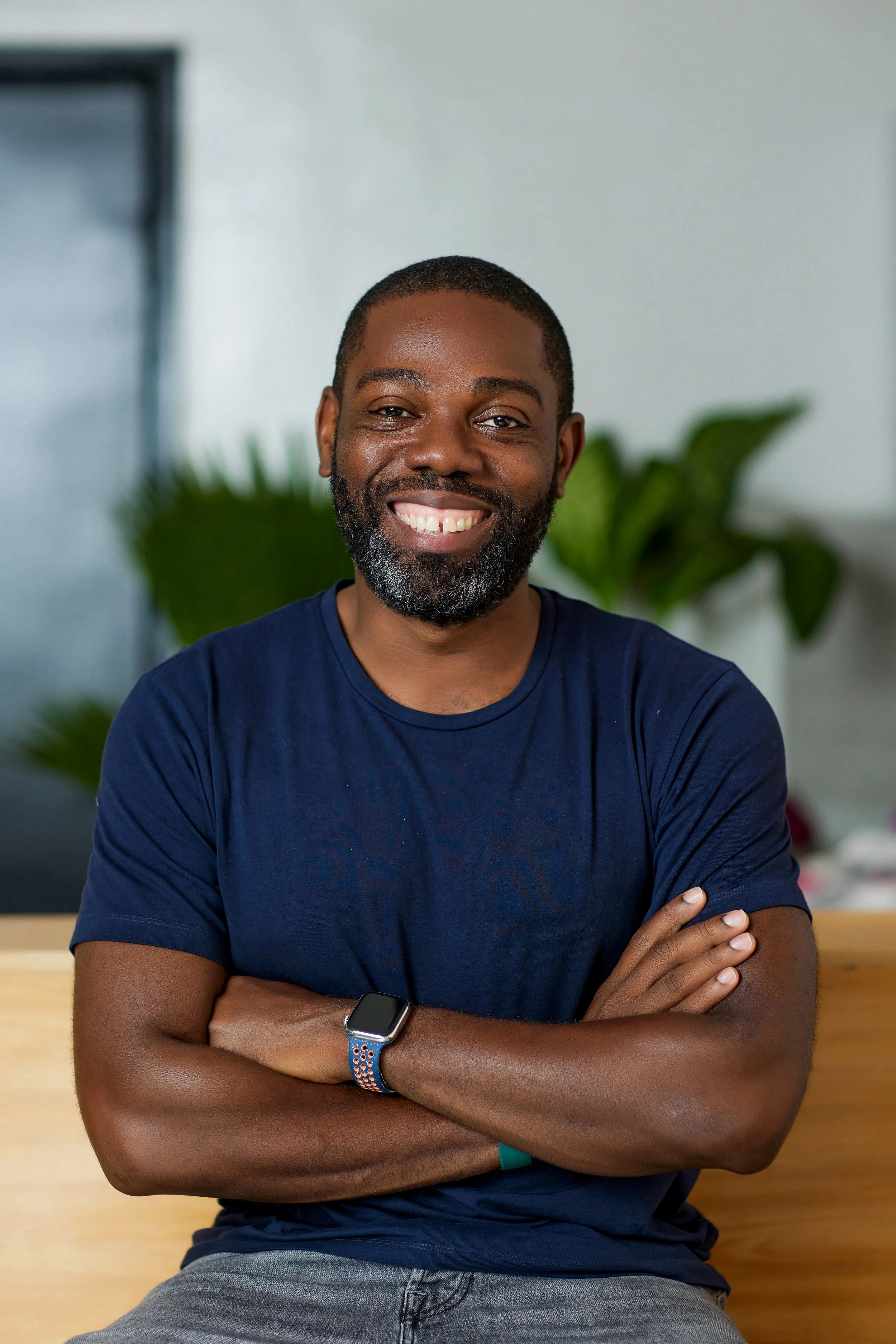
“We want to remove as many barriers as possible between someone who wants to learn and their ability to start creating.”
- Hugo Obi
Founder and CEO, Maliyo Games
When you started GameUp Africa, what gap were you trying to fill, and what did the African game-development landscape look like at the time?
Hugo: Back in 2019, we had seen studios come and go and had built products ourselves, but we were still talking about the lack of skilled talent in the ecosystem. Universities weren't necessarily preparing people for the roles the games industry needed, and we wanted to change that.
We started developing a training program in 2020, initially planning to run it in person in Lagos. Then COVID happened, and we had to move everything online. We spoke with Google, and in 2021, they came on board to help us get the program off the ground. That experience showed us that remote learning could work and we realized we could reach talented people beyond a single location to build a community around learning-by-doing.
Looking back over the years since the program began, what’s surprised you most about how people actually learn to make games?
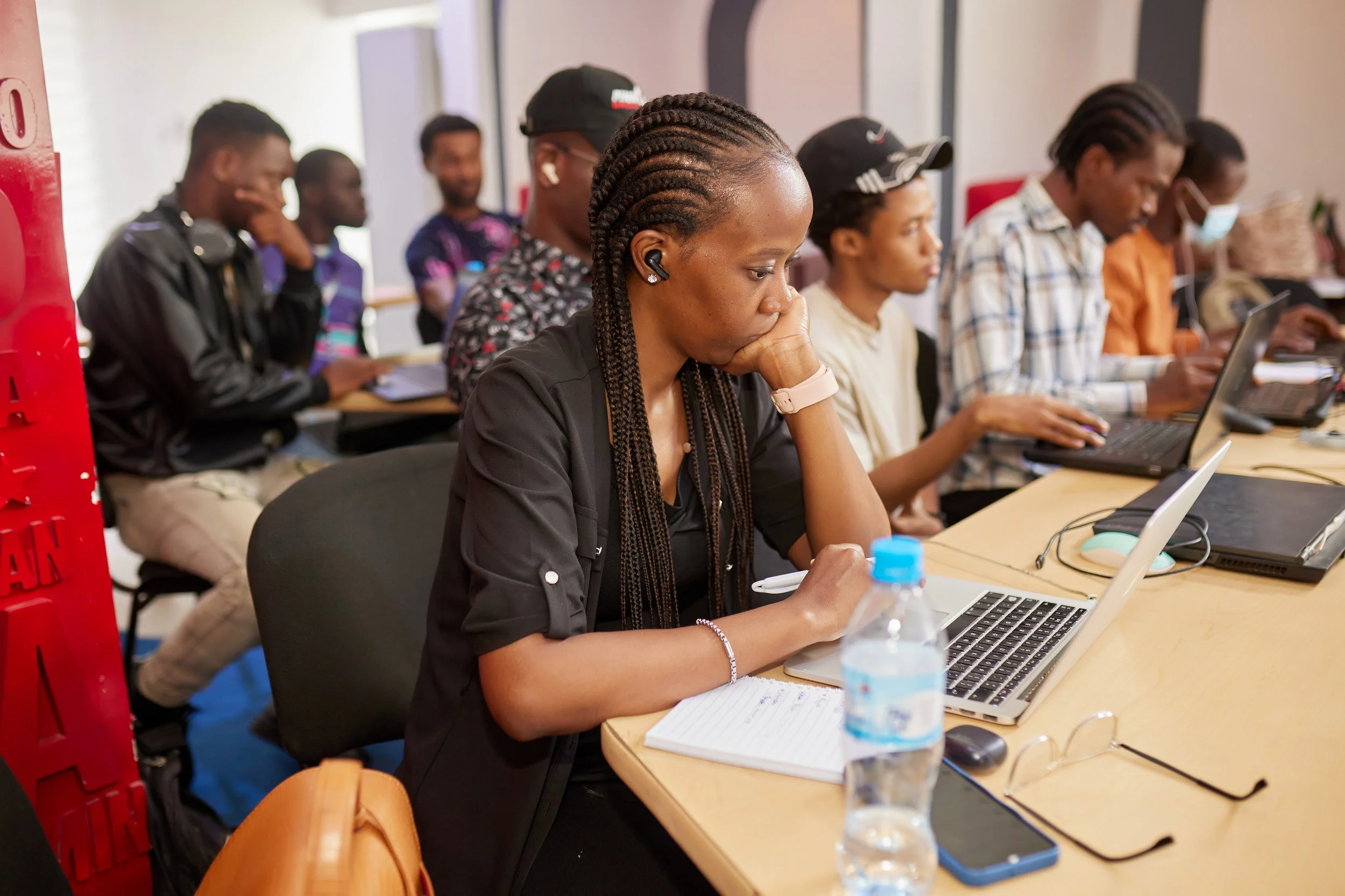
Hugo: The commitment people bring to it has been incredible. Our program is very project-based, with learners doing a lot of the work themselves and learning from one another. People found ways to make it work even when they didn't have their own computers or struggled with connectivity. The community we’ve built around the program plays a huge role in keeping people going.
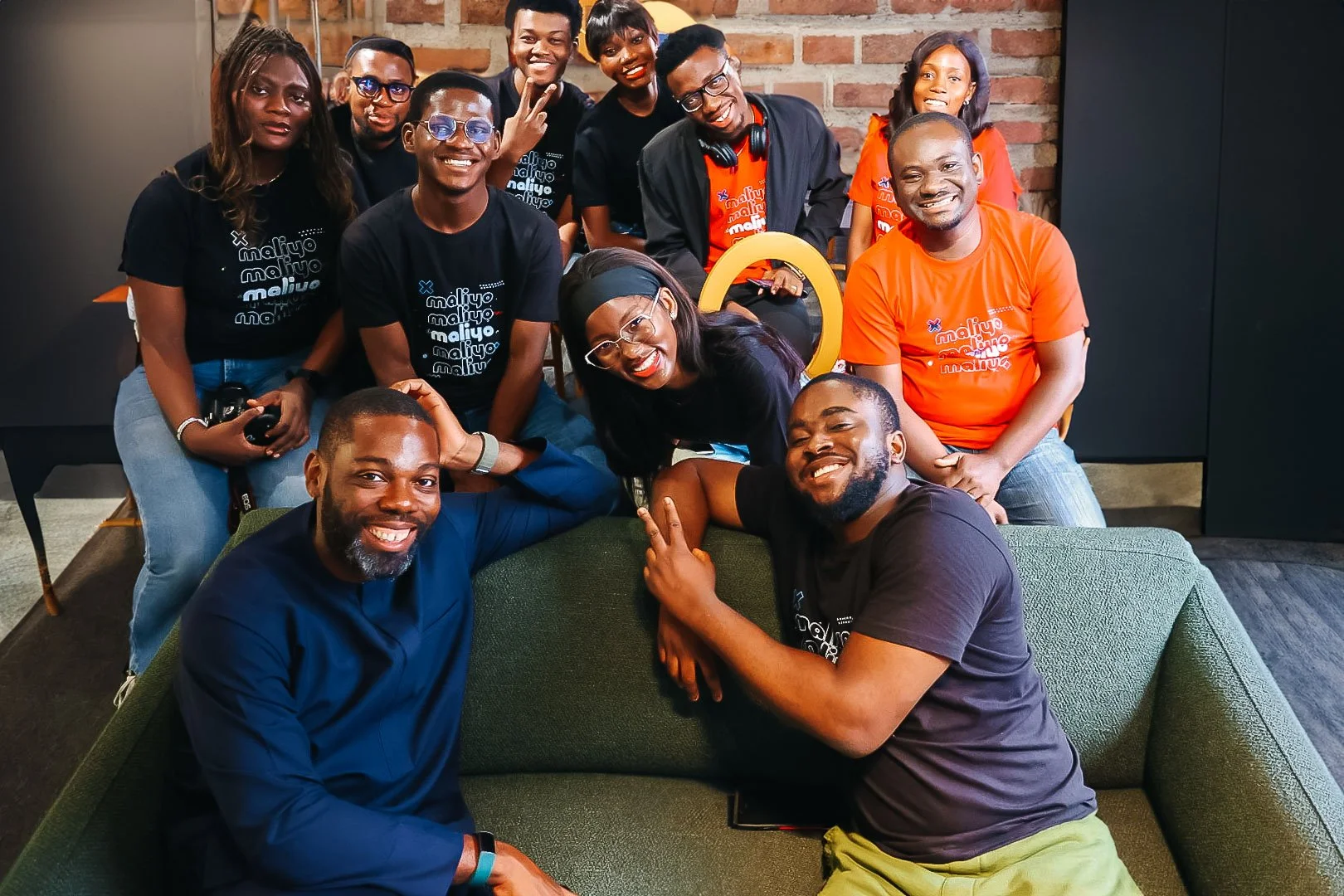
And the impact has continued well beyond graduation. Alumni have gone on to build careers, work on their own projects, and start studios. In our current program we have 30 mentors, all of them former graduates of our program. Seeing people come back to support the next generation has been really rewarding.
Can you share a story or two about developers who came through the GameUp program? What games did they create, what did those projects mean to them, and where has that experience taken them since?
Hugo: One story that stands out is Joanna’s, who joined our 2023 cohort from Nairobi. She created an augmented reality game about conservation, inspired by growing up near a protected forest. She wanted to use AR to share that experience with others, and her project went on to win Most Innovative Project at the Games for Change Festival.
I love that story because the project came from something personal. She wasn't just learning a new technology; she was using it to share something she cared about.
Another alumna in Kenya took what she learned through GameUp and began teaching children game design through a summer program. That's another kind of impact we're excited about. When someone gains these skills, they can pass them on to others. We'd love to see that grow into more community and after-school programs where young people learn by making games themselves.
The original program was a five-month bootcamp; whereas the new GameUp Academy lets people learn at their own pace, with shorter facilitated programs alongside. What made you decide the bootcamp format had run its course and what is most exciting about the new model?
Hugo: By the end of 2025, we felt the model needed to evolve. The market had changed, and we'd learned a lot about what helped learners stay engaged and make progress. We started asking how we could take those lessons and reach even more people.
We wanted learning to be available year-round, rather than requiring people to wait for the next cohort. We also recognized that five months is a big commitment, so we're introducing a shorter, six-week facilitated program alongside self-paced learning, mentoring, and projects.
Another change is how we track progress. We've developed a skills map that helps learners see what they're building as they move through the material. We want people to understand where they are in their learning journey and feel motivated to keep going.
The shift from the name GameUp Africa to GameUp Academy reflects our broader ambitions, too. We want to build a platform that can serve learners globally while staying true to what made the original program work: practical learning and community.
AI is another big reason we're rethinking the model. The tools available to developers are changing quickly, and our curriculum needs to keep pace.
The challenge is keeping the community and peer support that made the bootcamp special while giving people more flexibility. That's something we're thinking carefully about as we build what's next.
At Endless, we believe people learn best by making things. How do you perceive building and shipping a real game changes a learner compared with more traditional digital-skills training programs?
Hugo: There's so much joy in creating something. When you're making a game, you're bringing together art, engineering, problem-solving, and so many other skills. And there's something special about building something another person can actually interact with.
Many of our learners grew up playing games. Helping them make the connection between playing games and creating them is empowering. They begin to see themselves not just as consumers of technology, but as people who can build it.
And they're learning much more than game development. They're developing communication, teamwork, collaboration, time management, and project management skills.
That's why our skills map matters. We want learners to look back and realize just how much they've learned, including skills they can highlight on a resume, demonstrate in a portfolio, or discuss in an interview. It's about more than making a game; it's about discovering what you're capable of creating.
Why is it important that young Africans become creators of digital worlds and IP rather than only players of games made elsewhere? What's at stake culturally and economically?
Hugo: We're at an exciting moment for the African games industry. We've recently seen two local game launches generate significant interest in Nigeria's gaming scene. What's exciting is that these games were made by Nigerians, reflect local culture, and are being played by local audiences.
It challenges the idea that games have to be made somewhere else. We can build them here, and there's an audience for them here.
There's also a lot of curiosity about how to get started. People wonder whether they need special software, whether they have to be artists, or what skills they need to make their own games. Making that knowledge accessible helps answer those questions.
When local creators build their own games and intellectual property, they can tell stories rooted in their own experiences and culture. They're also creating opportunities for local talent and helping build an industry that can grow from within.
Connectivity, device access, and cost still shape who can participate in programs like this. How do these constraints influence the design of the new always-on platform?
Hugo: Access has shaped a lot of our thinking. Previously, we assumed learners had a computer, access to a traditional game engine, and the ability to work through video-based lessons. But that's not the reality for everyone.
The new platform is mobile-first, designed to work well on phones rather than treating them as secondary to computers. We've also integrated an AI assistant so learners can ask questions, get feedback, and find their way through the material.
We're rethinking the tools people need, too. If someone can build a game using AI tools and a mobile device, they may be able to get started without the equipment we once assumed was essential.
Ultimately, we want to remove as many barriers as possible between someone who wants to learn and their ability to start creating.
As part of the new program, you're planning a Talent Directory connecting top performers with industry partners, plus game jams, incubation tracks, and milestone sprints for people building independent studios. What does career success look like for someone entering the program as a novice?
Hugo: We've built the journey around three stages: Learn. Make. Earn.
Learners develop their skills, put them into practice through projects, and then find ways to turn those skills into opportunities.
We're developing several pieces to support that final step. Microcredentials will help learners demonstrate what they've learned, while a portfolio showcase will connect those credentials to projects they can share with potential employers.
We're also planning a skills-based job board to help match people with relevant opportunities, along with support for freelancers looking for work and creators who want to publish their own games.
Success will look different for everyone. Someone might land a job at a studio, another might start freelancing, and someone else might build an independent game or launch a studio. What matters is that people can start with an interest in game development and leave with practical skills, work they can show, and a clearer path toward putting those skills to use.
What kinds of partners or collaborators does the Academy need to reach its full potential? If a reader is looking to get involved in this work, how best can they support the Game Up mission?
Hugo: A big priority is reaching more learners. Partnerships with universities, schools, clubs, and community organizations can help us introduce game development to people who might not otherwise have the opportunity to explore it.
We also want to work with organizations across the games ecosystem, including groups like Games for Change, and connect learners with more opportunities to grow.
People can help by sharing the Academy's programs, introducing us to communities of aspiring creators, contributing their expertise, or supporting the work through funding and partnerships.
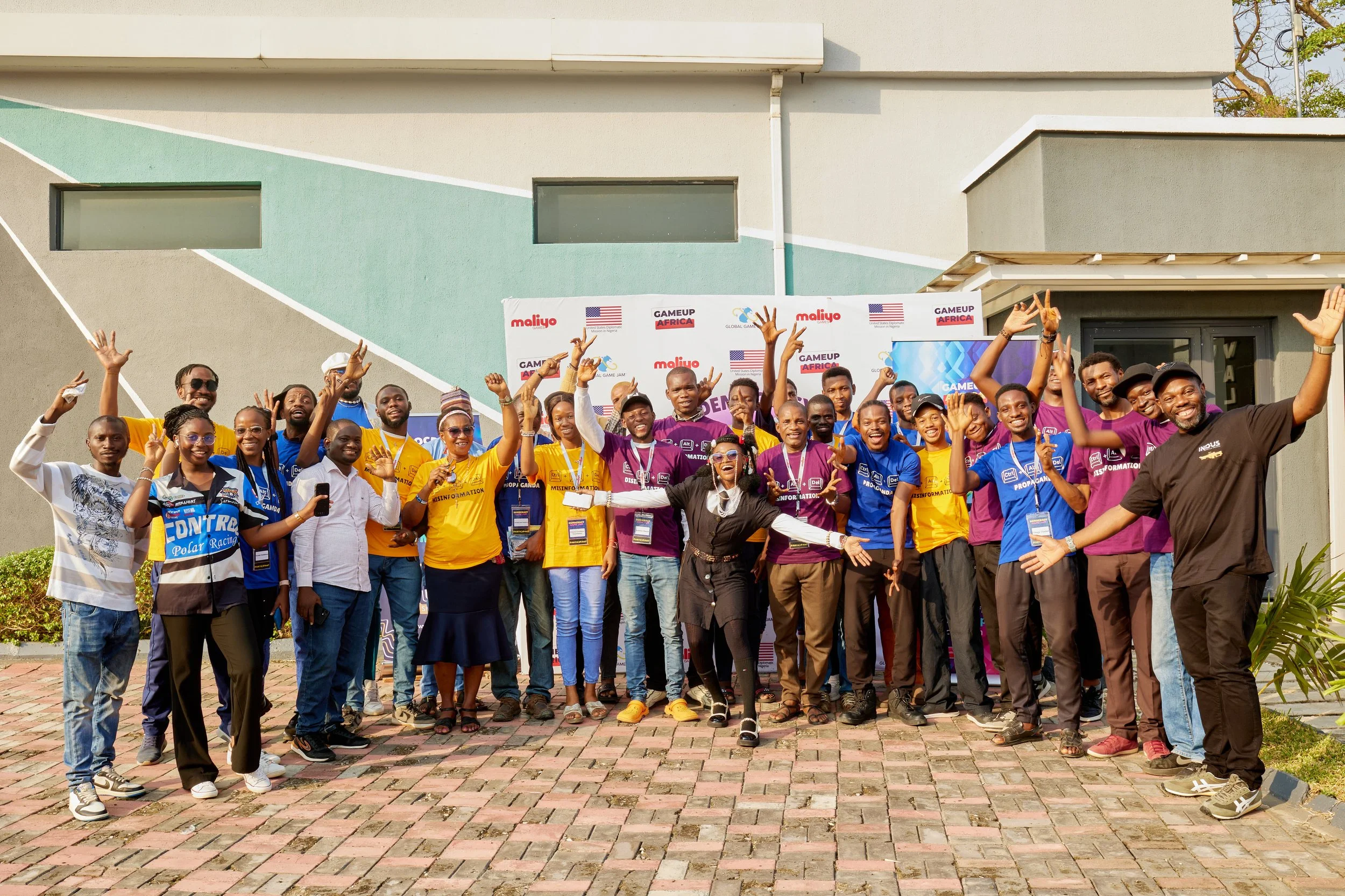
Our sixth cohort has just started, and we're excited about what comes next. We want to keep expanding access to game development while strengthening the connections between learning, creating, and earning.
Ultimately, it's about helping more people see that they don't have to just play games made by others. They can build something of their own.
To learn more about Maliyo Games, visit https://www.maliyo.com/.