From Imagination to Impact: Inside Scratch’s Vision for Creative Learning
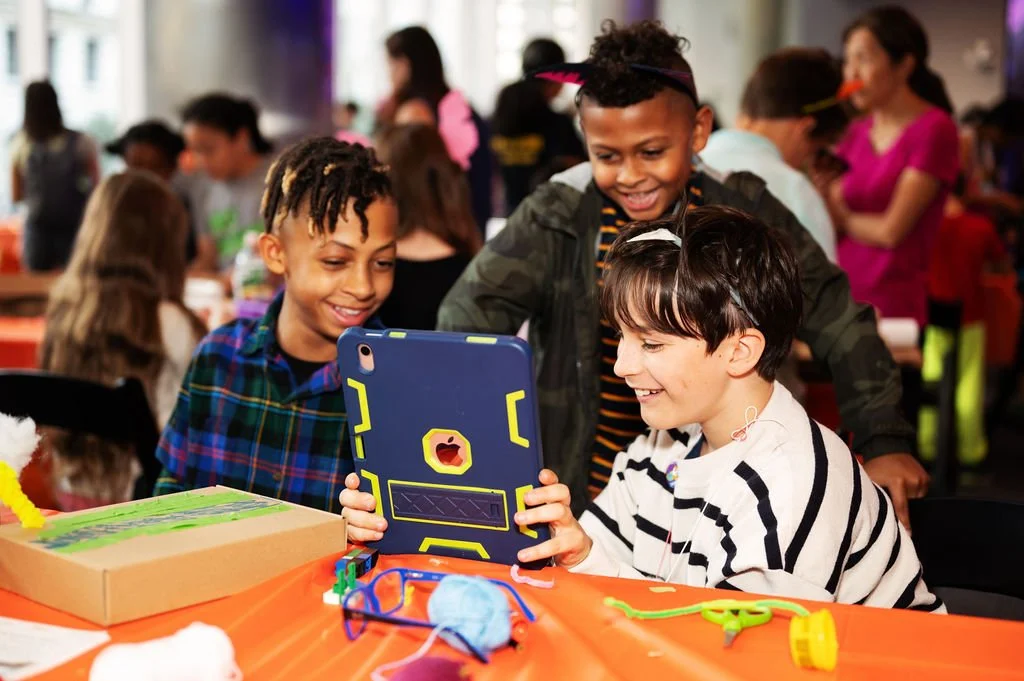
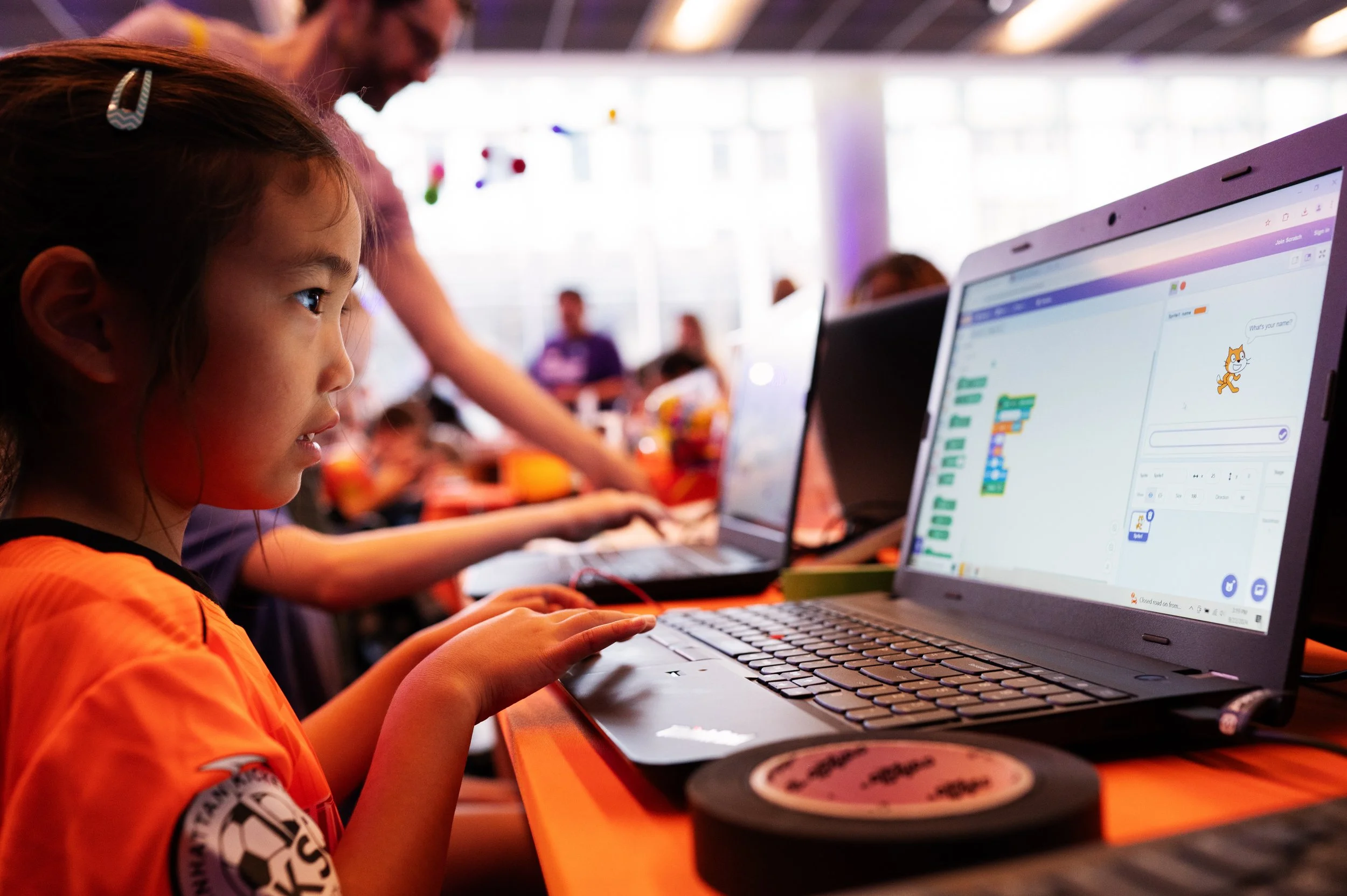
Scratch is a global creative learning platform that empowers young people to imagine, create, and share digital projects through coding, storytelling, art, and play. Originally developed at the MIT Media Lab, Scratch has introduced millions of learners around the world to the joy of making.
At Endless Foundation, we share Scratch’s commitment to helping the next generation become active digital creators, not just consumers. In this conversation, we sat down with Margaret Honey, President and CEO of the Scratch Foundation, to talk about Scratch’s mission, the evolving landscape of creative learning, and how partnerships can help expand opportunities for young people everywhere.
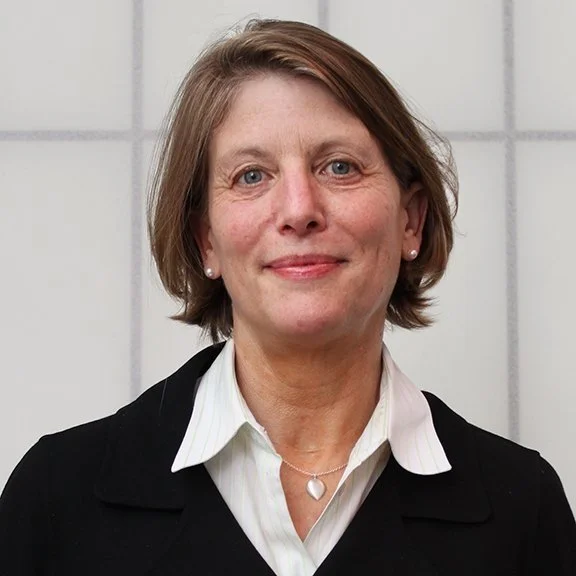
“Freedom to create is often where the most meaningful learning happens.”
- Margaret Honey
President and CEO
For those who may be unfamiliar with Scratch, can you introduce yourself and describe Scratch’s mission?
Margaret: Scratch’s mission is simple and powerful: to help kids everywhere create what they imagine. Scratch is a digital platform that was originally created at the MIT Media Lab by Mitch Resnick and his colleagues in the Lifelong Kindergarten Group. The Scratch Foundation was later formed to steward the platform, which means caring for it, innovating on it, and continuing to grow and evolve it over time.
I joined Scratch as President and CEO at the beginning of 2024, after previously serving on the board. My background has always centered on children, creativity, and learning. Early in my career, I worked at Sesame Workshop, in a division called the Children’s Computer Workshop. From there, I spent many years at the Center for Children and Technology at Bank Street College of Education. We were focused on using technologies to support child-centered and teacher-centered learning through constructivist pedagogies. Later, I joined the New York Hall of Science, New York City’s hands-on science center, where we designed immersive learning experiences across physical, digital, and media-based environments.
The center of my work has always been supporting the kids—their agency, curiosity, ideas, and imagination. This philosophy is deeply aligned with the creative learning values that have defined the Scratch platform from the very beginning and continue to flourish today.
Can you share a bit about how our partnership has evolved and the impact on your work?
Margaret: What’s been so exciting about working with the Endless Foundation is how closely aligned our missions are. Endless is deeply focused on digital makers and creators, and that’s exactly the heart of Scratch.
The partnership started as a bit of an experiment: what could we do together, and how could we align our efforts? Over time, we’ve really come together around the shared goal of building a broader ecosystem of opportunity for young people. One of the areas where Endless has been especially impactful is helping us think about the full trajectory of a learner’s journey, from low-barrier entry points for kids who may not yet feel confident in their creative abilities, all the way through to more advanced opportunities.
Scratch may be a child’s first experience with coding and digital creation, but it doesn’t need to be the last. Together, we’re thinking about how young people can move from Scratch into other ecosystems where they can continue developing skills, competencies, and creative confidence that support both academic pathways and future careers.
Scratch has long been a leader in creative learning; how have you seen the definition of "digital fluency" change for children in the last few years, and how is Scratch evolving to meet that shift?
Margaret: For a long time, conversations about digital fluency were heavily focused on computational thinking, and those skills still matter. Scratch users continue to develop important, enduring competencies like problem-solving, perseverance, and the ability to work through the productive tension that comes with creative work.
What we’re seeing now, especially as AI enters the picture, is a growing emphasis on design thinking. In the age of AI, digital fluency isn’t just about writing code; it’s about knowing how to work with powerful tools as thought partners rather than answer machines.
As we think about the next generation of Scratch, we’re deeply focused on designing AI experiences that support children’s creativity, agency, and imagination. Kids bring incredible strengths to the table like curiosity, playfulness, and imaginative thinking. Our responsibility is to design tools that build on those strengths, not replace them. AI should help kids become better creators, not do the creating for them.
A key part of the future vision for Scratch is world building. How do you think moving from individual projects to shared, persistent "worlds" will help learners develop new critical skills?
Margaret: At Scratch, we often say that creative AI is social AI. I’m so glad you brought up the idea of world building. World building is important because it helps open up opportunities for collaboration, shared problem-solving, and learning from one another. In our vision of the future, we want to foreground our global community, so that from the beginning of a young person’s journey on Scratch they will see and learn from the work of others.
Through tools like a Creative Learning Assistant, kids will be able to discover projects made by others that connect to their interests, and also encounter work that surprises them. With AI, we want to make it easier for kids to find what they want, but we also want to preserve that essential element of serendipity and, of course, make it possible for them to exchange ideas in meaningful ways.
Ultimately, world building isn’t just about making bigger projects. It’s about helping learners develop collaboration, creative confidence, and a deeper understanding of how ideas grow when they’re shaped together.
Digital well-being is a hot topic right now. What are some ways you’re ensuring that Scratch remains a safe learning environment?
Margaret: As with any platform, challenges arise, but we don’t see the same kinds of problems that are common on many other social media platforms.
A big reason for that is our strong emphasis on shared community values. From the moment kids join Scratch, we make it clear how we expect community members to treat one another. Kids take those values seriously—they can articulate them, they reinforce them with one another, and they’ll often step in if something doesn’t feel right. Creating a space that is safe, constructive, and respectful is incredibly important to our users—often just as much, if not more, than it is to the parents, caregivers, and educators who support them.
We also recognize that most young people are well-intentioned, but they don’t always know how to communicate in ways that others can hear. I was looking at a Scratch project recently and noticed a comment that simply said, “This sucks.” Almost immediately, another kid replied, “You need to find a nicer way of saying that.” Giving constructive feedback is a complex skill—Scratch helps give learners opportunities to flex this muscle and gain experience in collaboration and empathy building.
Are you able to share one or two testimonials from Scratch learners or teachers that demonstrates the impact Scratch has on strengthening digital literacy and creativity?
Margaret: There are so many stories! One story that really stands out is Alex Bittner’s. Alex started using Scratch in fifth grade and is now a college sophomore majoring in computer science. He’s neurodiverse, and one of his Scratch projects, Let Me Be Me, explored what makes him unique and how that can sometimes be misunderstood. The project won an award, went viral, and was even used in schools during autism awareness months.
What’s powerful about Alex’s story isn’t just the outcome, it’s the environment that made it possible. His teacher intentionally created time and space for students to explore projects they were passionate about. That freedom to create is often where the most meaningful learning happens.
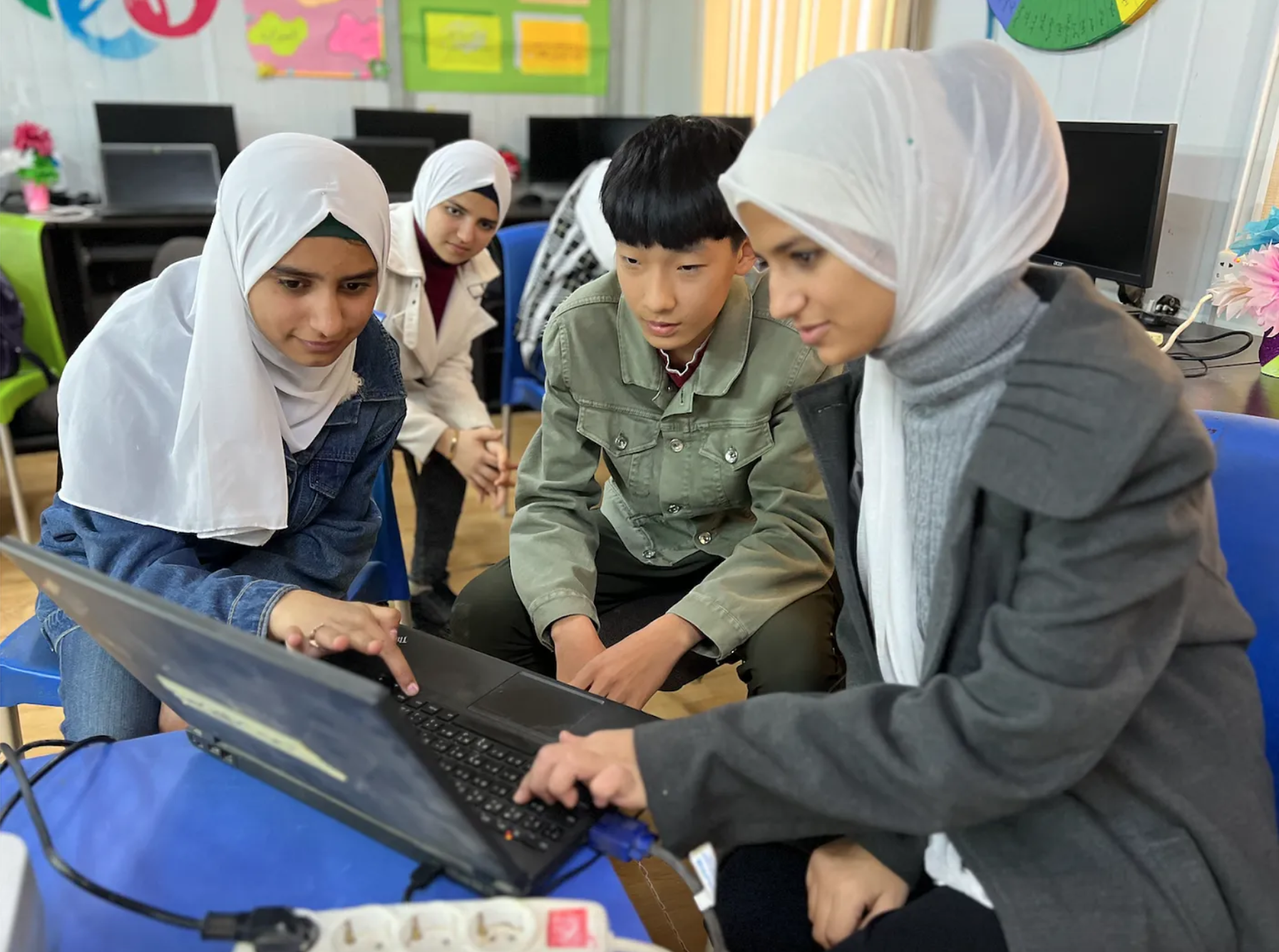
Another good example comes from Dust Astronauts, an organization that creates and runs Scratch-based coding camps for youth in refugee camps in Jordan. They focus on helping kids develop skills that transcend borders like creative design and computational thinking.
What role does gamemaking play in the Scratch platform?
Margaret: Gamemaking is one of the most popular activities for kids on Scratch. I like to expand the idea of gamemaking to include world building. World building allows young people to experiment with experiences that go beyond basic game mechanics like winning or losing. It opens up space for exploration, storytelling, collaboration, and problem-solving. I believe, and many Scratchers would agree, that when we call games worlds, we create a broader invitation for more young people. It’s no longer just about deploying game mechanics – it’s about music, art, storytelling, and design. That interdisciplinary nature makes gamemaking an inclusive and expressive entry point into creative technology for young people everywhere.
To learn more, visit https://www.scratchfoundation.org/home.